
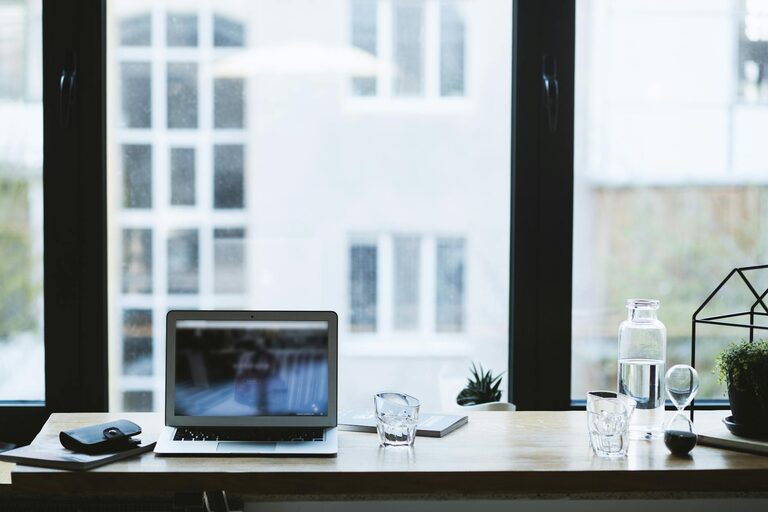
Creating a productive home office space is essential for many people embracing remote work or balancing personal projects with daily life. A well-designed workspace can help improve focus, reduce stress, and increase your overall efficiency. Whether you have a dedicated room or just a small corner, there are plenty of simple ways to make your home office inviting and conducive to productivity.
Why a Productive Home Office Matters
When working from home, the environment around you greatly affects your motivation and output. Distractions, discomfort, or clutter can hinder concentration and lead to burnout. On the other hand, a thoughtfully arranged home office can encourage better habits, keep you organised, and provide a clear boundary between work and leisure time.
Choosing the Right Location
Start by selecting an ideal spot for your office. Here are some factors to consider:
– Natural Light: Position your desk near a window if possible to benefit from daylight, which can enhance mood and reduce eye strain.
– Quiet Area: Pick a space away from noisy family activities or street sounds to minimise distractions.
– Dedicated Space: Having a designated area for work helps your mind switch into “work mode” and separates home life from professional tasks.
If space is tight, a corner of a living room or bedroom can work too. Use room dividers or shelving to create a visual boundary.
Ergonomics: Comfort Meets Health
Comfort is crucial since you may spend several hours at your desk. Poor posture can lead to aches and fatigue. Consider these ergonomic tips:
– Chair: Invest in a supportive chair with adjustable height and back support.
– Desk Height: Your desk should allow your elbows to rest at around 90 degrees while typing.
– Screen Position: Position your monitor at eye level about an arm’s length away to avoid neck strain.
– Footrest: If your feet don’t touch the floor comfortably, use a footrest to maintain good posture.
Taking short breaks every hour to stretch can also help keep you refreshed.
Declutter and Organise
A tidy workspace promotes clarity and focus. Try these organisation hacks:
– Storage Solutions: Use drawers, shelves, or filing cabinets to keep documents and stationery out of sight.
– Minimalism: Keep only the essential items on your desk to avoid distractions.
– Cable Management: Use clips or ties to organise cables and prevent a messy look.
– Daily Cleanup: Spend 5 minutes at the end of each day tidying your desk.
Digital organisation matters too; keep your computer desktop and files orderly for quick access.
Lighting: Brighten Your Workday
Good lighting reduces eye strain and sets a positive mood:
– Natural Light: Use sheer curtains to diffuse sunlight if it’s too harsh.
– Task Lighting: Add a desk lamp with adjustable brightness to illuminate documents or your keyboard.
– Ambient Lighting: Combine overhead lights with softer lamps to avoid glare and harsh shadows.
Adjust your lighting depending on the time of day to maintain comfort and focus.
Add Personal Touches
While keeping your space functional, adding personal elements can make your office more inviting and morale-boosting:
– Plants: Small indoor plants improve air quality and add a calming touch.
– Artwork: Inspirational quotes or artwork can motivate you.
– Colours: Use colours you find soothing or energising on walls, accessories, or stationery.
Balance personal items with practicality to avoid overcrowding.
Technology and Tools
Equip your home office with the right tools to enhance productivity:
– Reliable Internet: A stable connection is key, especially for video calls.
– Quality Headphones: Use noise-cancelling headphones to minimise background noise.
– Organisational Apps: Tools like calendars, to-do lists, and time trackers can help manage tasks.
– Printer and Scanner: Depending on your work, having these on hand can save time.
Keep your devices charged and cables organised to maintain efficiency.
Establish Boundaries and Routine
Creating boundaries helps maintain work-life balance:
– Set Work Hours: Define your working times and stick to them.
– Use Signals: Let family or housemates know when you’re not to be disturbed.
– Take Breaks: Step away from your desk regularly to rest your eyes and mind.
Having a consistent routine trains your brain to switch between work and relaxation modes.
Final Thoughts
Designing a productive home office doesn’t require a complete overhaul. Small changes can make a significant difference. By choosing the right location, focusing on comfort and organisation, managing lighting, and setting boundaries, you can create a space that supports your best work. Experiment with what works for you and make your home office a place you enjoy spending time in every day.