
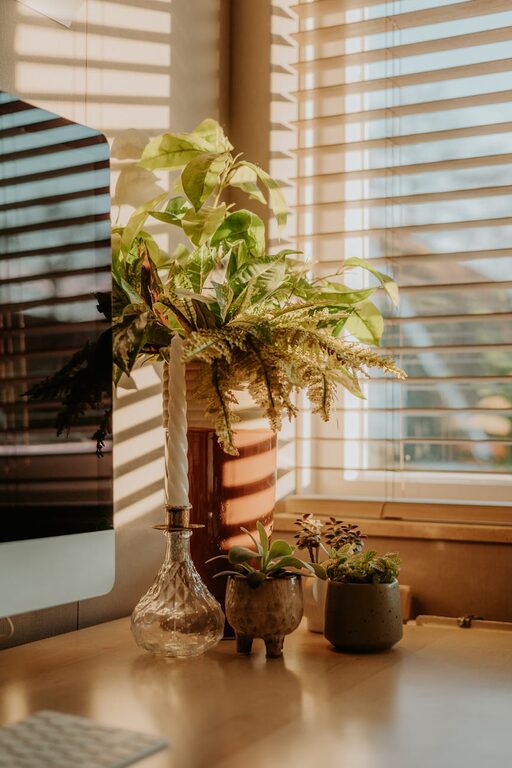
Creating a home office that is both relaxing and productive can significantly improve your work-from-home experience. A well-designed workspace helps you maintain focus, reduce stress, and establish clear boundaries between work and personal life. Whether you have a dedicated room or just a small corner, these tips will help you transform your space into an environment that supports your best work.
1. Choose the Right Location
Selecting the right spot for your home office is the first step to creating an effective workspace. Here are some factors to consider:
– Natural light: Try to position your desk near a window to take advantage of natural daylight. This can boost your mood and reduce eye strain.
– Quiet area: Pick a location away from high-traffic or noisy parts of your home to minimise distractions.
– Space: Make sure there’s enough room for your desk, computer, and any other equipment you need.
If space is limited, even a small nook with good lighting and a comfortable chair can work well.
2. Invest in Comfort and Ergonomics
Comfort plays a vital role in helping you stay focused and avoid fatigue.
– Chair: Choose an ergonomic chair that supports your back and encourages good posture.
– Desk height: Your desk should allow your arms to rest comfortably at a 90-degree angle when typing.
– Monitor position: Position your computer screen at eye level to reduce neck strain.
– Footrest: If your feet don’t rest flat on the ground, a footrest can help improve circulation.
Adding cushions or adjustable furniture can also enhance comfort.
3. Declutter and Organise Your Space
A tidy workspace can make it easier to concentrate and reduces stress.
– Storage solutions: Use shelves, drawers, and organisers to keep supplies in order.
– Cable management: Tidy cables with clips or sleeves to avoid tangles.
– Daily cleanup: Spend a few minutes at the end of each day clearing your desk for a fresh start.
Consider colour-coded folders and labels to help you find papers quickly.
4. Personalise Your Environment
Adding personal touches can make your home office more inviting and help you feel relaxed.
– Plants: Indoor plants improve air quality and add a calming green touch.
– Artwork: Select inspiring or soothing pictures that elevate your mood.
– Lighting: Use warm, adjustable lighting to create a cosy atmosphere, especially during darker months.
– Scent: A subtle diffuser with essential oils like lavender or peppermint can also promote relaxation.
Remember to balance personality with professionalism, especially if you have video calls.
5. Minimise Distractions
Keeping distractions to a minimum is key to maintaining productivity.
– Technology: Use headphones or white noise to block out household sounds.
– Notifications: Turn off non-essential alerts on your phone and computer.
– Boundaries: Communicate your work hours to family or housemates to reduce interruptions.
– Break area: Avoid working from areas primarily used for relaxation to maintain a separation between work and leisure zones.
Apps and tools designed to boost focus, like task timers, can also be helpful.
6. Optimise for Productivity
Certain changes can directly improve your efficiency.
– Task lists: Keep a visible to-do list or planner to prioritise work and track progress.
– Dual monitors: If you work on multiple tasks or documents, consider adding a second screen.
– Keyboard and mouse: Comfortable, ergonomic input devices can reduce strain and speed up your work.
– Temperature: Keep your workspace at a comfortable temperature to avoid distractions caused by being too hot or cold.
Also, schedule regular breaks to avoid burnout and maintain mental clarity.
7. Incorporate Movement and Relaxation
Balance work with moments of movement and relaxation to support your wellbeing.
– Stretching: Take short breaks to stretch or walk around the room.
– Exercise equipment: If space allows, keep small equipment like resistance bands or a yoga mat nearby.
– Mindfulness: Consider incorporating breathing exercises or meditation during breaks.
These activities can help clear your mind and improve overall focus.
Conclusion
Designing a home office that fosters relaxation and productivity is about combining practical solutions with a personal touch. By choosing the right location, investing in ergonomic furniture, keeping the space organised, and minimising distractions, you create an environment that supports your best work. Remember to personalise your space and incorporate breaks for movement and relaxation to maintain balance throughout your day. With these tips, your home office can become a place where you feel comfortable, focused, and motivated.