
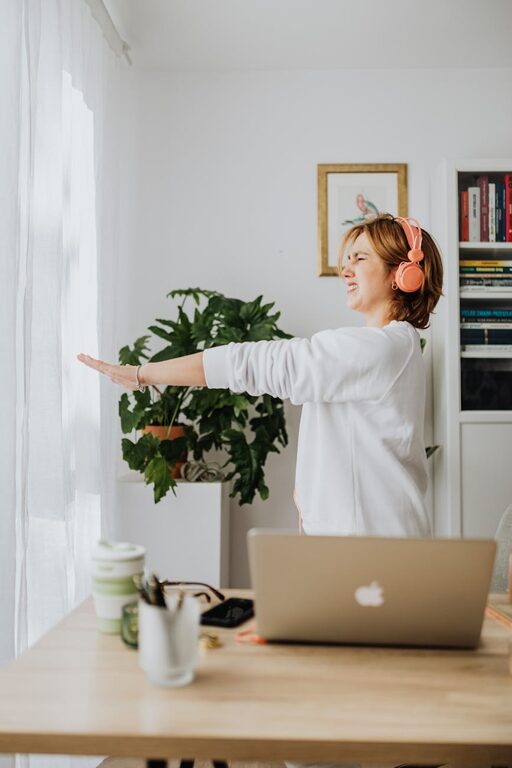
Creating a relaxing home office environment is essential in today’s world, where many of us spend a significant portion of our time working from home. A calm, organised space can help reduce stress, improve focus, and increase productivity. Whether you have a dedicated room or just a small corner, there are plenty of ways to make your workspace a haven of calm and efficiency.
In this post, we’ll explore practical tips for designing a home office that supports both your productivity and your well-being.
1. Choose the Right Location
Your home office should ideally be situated in a quiet, low-traffic area. If possible, select a room with a door to separate your work from the rest of the home. Natural light is a big bonus as it helps to keep you alert and lifts your mood. Avoid spaces that feel cluttered or noisy.
2. Invest in Comfortable, Ergonomic Furniture
Comfort is key to maintaining focus over long working hours. Choose an ergonomic chair that supports your lower back and encourages good posture. Your desk height should allow your arms to rest comfortably while typing or writing. A good-quality keyboard and mouse can reduce the risk of strain injuries too.
3. Optimise Lighting
Natural light is ideal, but if it’s limited, use a combination of ambient and task lighting. A desk lamp with adjustable brightness can help reduce eye strain while you work. Avoid harsh overhead lights and position screens to avoid glare.
4. Keep Your Space Organised
Clutter can cause distraction and reduce productivity. Use storage solutions such as shelves, filing cabinets, or desk organisers to keep documents and office supplies tidy. Regularly declutter your workspace to maintain a neat environment that promotes calm.
5. Personalise Your Workspace
Adding personal touches can make your workspace more inviting and motivate you. Consider artwork, inspirational quotes, photos, or plants. However, try to avoid over-decorating, as too many items can become distracting.
6. Bring in Plants
Indoor plants not only brighten up the space but can also improve air quality and reduce stress. Easy-care varieties such as succulents, snake plants, or pothos are excellent choices for beginners and busy professionals.
7. Minimise Noise
Noise distractions can hamper concentration. If you can’t control external noise easily, consider using noise-cancelling headphones or playing soft background music or nature sounds. White noise machines are also helpful in masking distracting sounds.
8. Maintain a Comfortable Temperature and Air Quality
Ensure your workspace is well-ventilated. Fresh air helps you stay alert and comfortable. Use a fan, heater, or humidifier if necessary to maintain a comfortable temperature and humidity level year-round.
9. Establish Boundaries Between Work and Home Life
Create a clear distinction between your work area and relaxation areas. If you don’t have a separate room, use screens or portable dividers. At the end of the workday, close your laptop and tidy your desk to signal that work time is over.
10. Incorporate Movement and Breaks
A relaxing work environment isn’t just about what’s in the room—it’s also about how you use it. Take regular breaks to stretch or walk around. Consider a sit-stand desk to change your posture during the day.
11. Use Calming Colours
Colours can influence mood. Soft, muted tones such as pale blues, greens, or neutrals can make your workspace feel more serene. Avoid overly bright or intense colours which may be distracting.
—
Summary
Designing a relaxing home office environment requires thought and intention. Prioritising comfort, organisation, natural elements, and boundaries helps create a space that not only looks good but also supports your mental well-being and productivity. Remember, the goal is a workspace where you feel calm, focused, and ready to tackle the day.
With these tips, you can transform your home office into a place that feels just right for work—and keep your motivation high!